Surface preparation for marine epoxy: Sa 2½ and SSPC‑SP 10.
An epoxy repair or coating is only as good as the steel underneath it. This is how SepcoTech recommends preparing the surface before any of our products go on: the standards, the eight steps and the numbers to check.
Questions about your surface? Call (+45) 6916 2400 or email tech@sepcotech.com
- Sa 2½ / SSPC-SP 10 near-white metal as the standard
- SSPC-SP 11 power tool cleaning where blasting is impractical
- Rough, angular profile of 75–100 µm for the coating to grip
- Under 20 mg/m² soluble salts and 3 °C above the dew point
Updated 25 November 2026 · SepcoTech A/S, Roskilde, Denmark
- 1
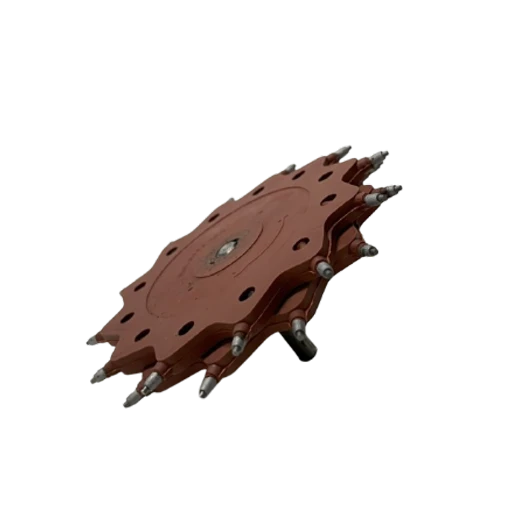 Rotating Blaster DuoBare steel and profile, no grit · #10267 PDF
- 2
 Bio CleanerFinal degreasing before the first coat · #10254 SDS
 Surface cannot be dried? Aqua Guard (#10238) bonds on a wet surface. Pitting first: Super Metal Filler (#10240).
- Cleanliness
- Sa 2½ / SSPC-SP 10
- Alternative
- SSPC-SP 11, to bare metal
- Surface profile
- Rough, 75–100 µm
- Soluble salts
- Under 20 mg/m²
- Dew point
- Min. 3 °C above
- Weld radius
- Min. 2 mm
Which standard to work to.
Blast to near-white metal wherever you can. Where you cannot, take the steel to bare metal with power tools.
Recommended: near-white metal blast cleaning. SSPC-SP 10 / NACE No. 2, which matches ISO 8501-1 grade Sa 2½ (SIS 05 59 00). White metal, Sa 3 / SSPC-SP 5, is better still where it can be reached.
Blasting gives both the cleanliness and the rough, angular profile the epoxy grips, in one operation. A smooth or polished surface gives the coating nothing to hold on to.
Alternative: power tool cleaning to bare metal. SSPC-SP 11, for smaller areas or where abrasive blasting is impractical, as it often is on board a ship in service.
The Rotating Blaster Duo does this on an ordinary drill: no grit, no compressor and far less dust than abrasive blasting.
From flaking rust to bright steel, without grit.
- 1A pipe with heavy corrosion and flaking paint
- 2Loose scale knocked off first
- 3The Rotating Blaster Duo on an ordinary drill
- 4Bright steel, ready for filler and coating
ISO and SSPC grades side by side.
ISO 8501-1 and SSPC/NACE describe the same idea in two systems. The grades below are close equivalents, not identical definitions.
| ISO 8501-1 | SSPC / NACE | Name | What the surface looks like |
|---|---|---|---|
| Sa 3 | SP 5 / NACE No. 1 | White metal | Visually clean steel with a uniform metallic colour. No mill scale, rust, coating or foreign matter. |
| Sa 2½ · minimum | SP 10 / NACE No. 2 | Near-white metal | Mill scale, rust and coating removed. Any traces left show only as slight stains in spots or stripes. |
| Sa 2 | SP 6 / NACE No. 3 | Commercial blast | Most mill scale, rust and coating removed. Residues left are firmly adhering. |
| Sa 1 | SP 7 / NACE No. 4 | Brush-off blast | Only loose mill scale, rust and coating removed. |
| St 3 | SP 3 | Power tool cleaning | Loose material removed with power tools, leaving a metallic sheen. Not bare metal. |
| St 2 | SP 2 | Hand tool cleaning | Loose mill scale, rust and paint removed. Firmly adhering material may remain. |
| No direct grade | SP 11 | Power tool to bare metal | Bare metal with a surface profile, made with power tools instead of grit. |
| No direct grade | SP 15 | Commercial grade power tool cleaning | Bare metal with a surface profile, made with power tools, where light stains of rust, paint or mill scale may remain on part of the surface. |
St 2, St 3 and SSPC-SP 3: enough before epoxy?
Wire brushes, scrapers and grinders give the hand and power tool grades. They take off loose rust and paint, but they do not take the steel to bare metal or give it a profile.
St 2 and St 3 (ISO 8501-1). St 2 is thorough hand and power tool cleaning: oil, grease, dirt and poorly adhering mill scale, rust and paint are removed. St 3 is the same work done very thoroughly, until the steel shows a metallic sheen. In both grades, firmly adhering mill scale, rust and paint may remain.
SSPC-SP 2 and SSPC-SP 3. SP 2 is hand tool cleaning and SP 3 is power tool cleaning. Both remove loose rust, loose mill scale and loose paint, and tightly adherent material can stay. St 2 is usually compared with SP 2, and St 3 with SP 3.
For a SepcoTech epoxy repair, SP 3 is a first step, not the finish. Use it to clean burned areas, weld seams and rusty surfaces before blasting. Then take the area on to near-white metal, Sa 2½ / SSPC-SP 10, or, where blasting is impractical, to bare metal with power tools, SSPC-SP 11.
The difference is what the epoxy bonds to: after SP 3 the surface can still carry tight rust and old paint, while SP 11 leaves bare steel with a profile. The Rotating Blaster Duo takes the steel that far on an ordinary drill.
How to prepare the surface.
From the SepcoTech surface preparation guidelines. Where a product data sheet gives its own figure, follow the data sheet.
Cleaning and detailing
Clean and degrease all surfaces, including cut-outs, rat holes and welds. Grind welds to a radius of at least 2 mm and remove all weld spatter.
Pre-blasting treatment
Clean burned areas, weld seams and rusty surfaces by abrasive blasting to at least ISO Sa 2½, or with power tools to SSPC-SP 3.
Surface profile
The surface must be rough after blasting: the angular profile is what the coating grips, so a rough surface gives far better adhesion than smooth steel. Aim for 75 to 100 µm, measured according to ISO 8503 parts 1 and 2.
Abrasive blasting
Blast to near-white metal (Sa 2½ / SP 10) or, preferably, white metal (Sa 3 / SP 5). Remove all abrasive residues afterwards.
Visual inspection
Check the cleanliness of the blasted surface by eye against the grade.
Soluble salt test
Measure soluble salts (chlorides) with a Bresle sampler according to ISO 8502-6. The maximum acceptable level is 20 mg/m².
Dew point control
Keep the surface temperature at least 3 °C above the dew point during the entire application.
Final cleaning
Brush off loose contamination and degrease with Bio Cleaner (#10254) or a residue-free cleaner such as methyl ethyl ketone (MEK).
Terms used on this page
- Sa 2½
- ISO 8501-1 grade for very thorough blast cleaning, also called near-white metal.
- SSPC / NACE
- The American surface preparation standards, now published by AMPP.
- Surface profile
- The roughness left by blasting that the epoxy grips, measured from peak to valley.
- µm
- Micrometre, a thousandth of a millimetre.
- Bresle sampler
- A small patch filled with water that lifts salts off the steel so they can be measured.
- Dew point
- The temperature at which moisture in the air condenses on a surface.
Surface that cannot be dried?
Sea chests, strainers and splash zones often stay wet. Aqua Guard Coating is made to bond on a wet surface. See how it was done in the sea chest case.
What you need for the preparation.
Surface preparationRotating Blaster Duo
Takes rust, paint and old coatings down to bright steel on an ordinary drill, where grit blasting is not possible.
#10267Product page Brochure PDF
Surface preparation: your questions.
What does Sa 2½ mean?
Sa 2½ is the ISO 8501-1 grade for very thorough blast cleaning, also called near-white metal. Mill scale, rust, old coating and foreign matter are removed, and any traces left show only as slight stains in spots or stripes. The closest SSPC grade is SSPC-SP 10 / NACE No. 2.
What is the difference between SSPC-SP 10 and SSPC-SP 11?
SSPC-SP 10 is near-white abrasive blast cleaning. SSPC-SP 11 is power tool cleaning to bare metal, used for smaller areas or where abrasive blasting is impractical, for example on board a ship in service.
What is the difference between St 2 and St 3?
Both are ISO 8501-1 grades for hand and power tool cleaning. St 2 is thorough cleaning that removes loose mill scale, rust and paint. St 3 is very thorough cleaning of the same kind, until the steel shows a metallic sheen. Neither grade takes the steel to bare metal.
Is SSPC-SP 3 enough before an epoxy repair?
Not on its own. SSPC-SP 3 power tool cleaning removes loose material but can leave tightly adhering rust and paint. SepcoTech uses it as a pre-treatment, then takes the surface to Sa 2½ / SSPC-SP 10 by blasting, or to bare metal with power tools, SSPC-SP 11.
What surface profile is needed before epoxy?
The surface must be rough after blasting, because the angular profile is what the coating grips. SepcoTech recommends an angular profile of 75 to 100 µm, measured according to ISO 8503 parts 1 and 2. Where a product data sheet gives its own figure, follow the data sheet.
How are soluble salts tested before coating?
With a Bresle sampler according to ISO 8502-6. The chloride level on the blasted surface should be below 20 mg/m² before the epoxy goes on.
Why must the surface be 3 °C above the dew point?
If the steel is close to the dew point, a thin film of moisture can form on it without being visible, and the coating will not bond properly. A margin of at least 3 °C during the whole application prevents this.
Can I prepare the surface without grit blasting?
Yes. Power tool cleaning to bare metal, SSPC-SP 11, is the alternative for smaller areas or where blasting is impractical. The Rotating Blaster Duo does this on an ordinary drill.
What if the surface cannot be dried?
Use Aqua Guard Coating, which is made to bond and cure on a wet surface, for example in sea chests and strainers.
Epoxy or welding?
When to repair a pipe with epoxy and when to weld: hot work, downtime, GRE pipes and wet surfaces compared.
Describe the damage.
We'll specify the repair.
Tell us the dimensions, whether the surface is wet or dry, and the operating temperature and pressure. We normally reply within one business day.
Request a quote or repair advice
No obligation. If another approach suits the damage better, we will say so.